
In the U.S., November 1st was National Bison Day.
Hooray for bison! Now that I’ve had the opportunity to finally visit Yellowstone National Park and see bison for myself, this seemed like a good opportunity to share more about them.
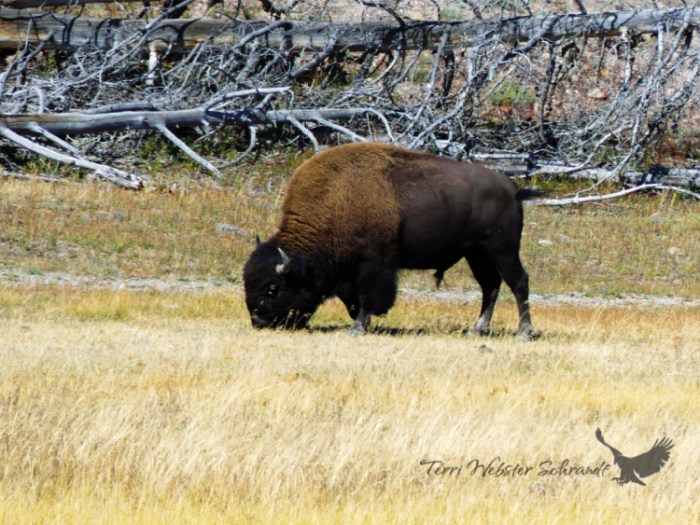
BUT, this week’s Sunday Stills photo challenge is not just about bison, but about members of the animal kingdom that possess HOOVES and CLAWS. Just to be clear, you do NOT need an actual photo of a hoof or claw, but the animals that bear them.
Show Your Claws
Claws are one of the most important adaptations for survival in the animal kingdom. Claws are used for defense, for climbing, grasping prey or tree branches, for digging, grooming, and marking territory.
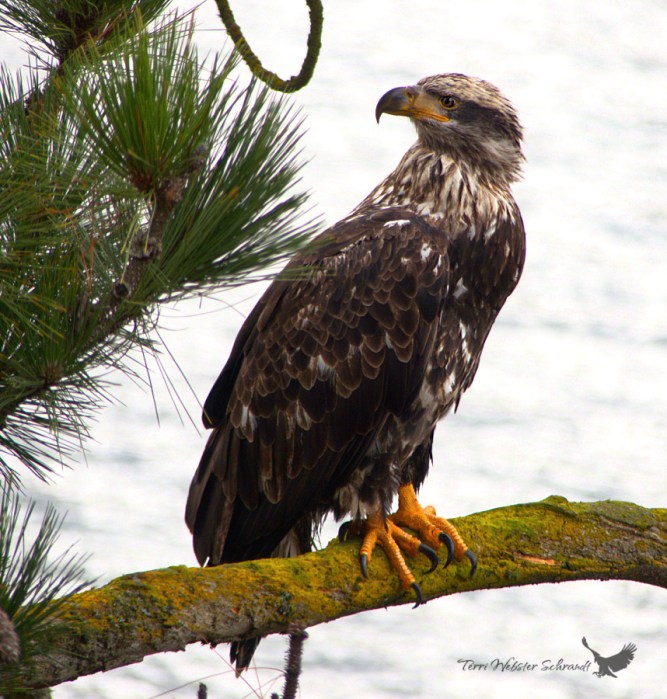
“Every bird which flies has the thread of the infinite in its claw.” – Victor Hugo
An impressive list of animals and birds with claws includes crustaceans, eagles, owls, falcons, alligators and lizards, bears, squirrels, big cats, domestic cats and dogs, among others. I imagine you have photos of these and more!
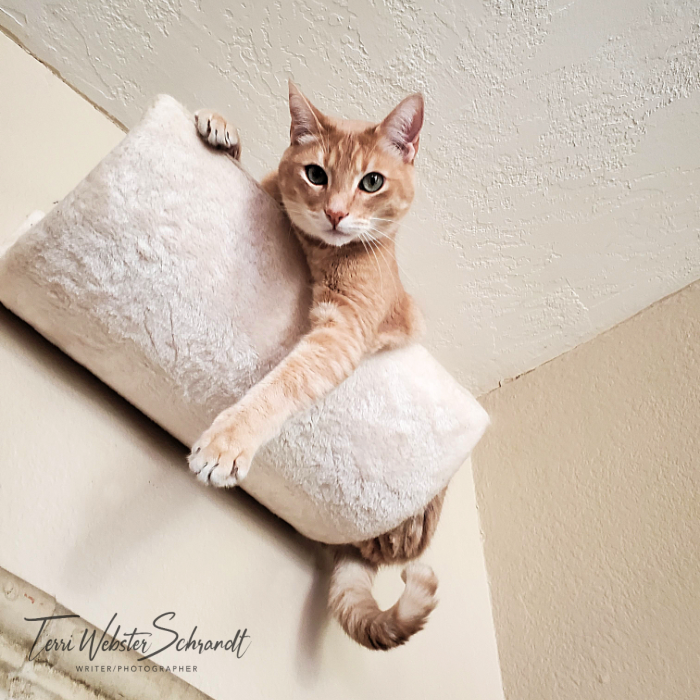
“If the claws didn’t retract, cats would be like Velcro.” – Bruce Fogle
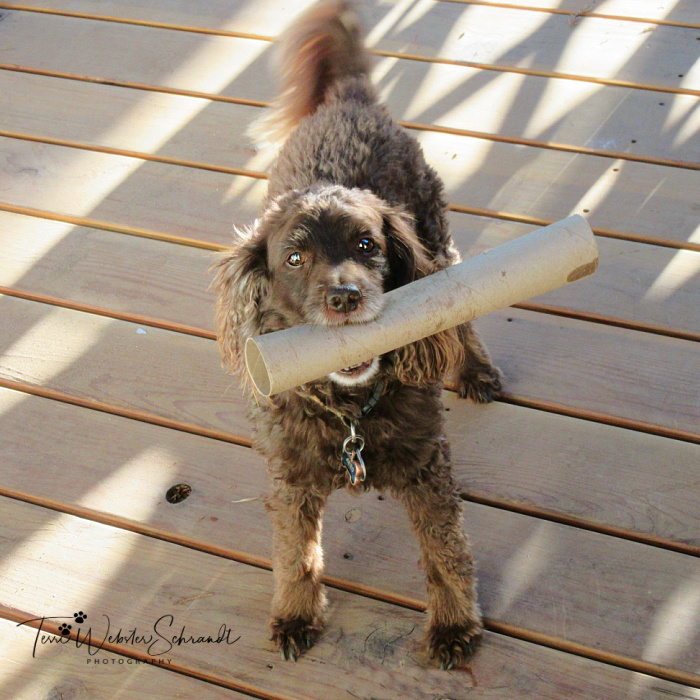
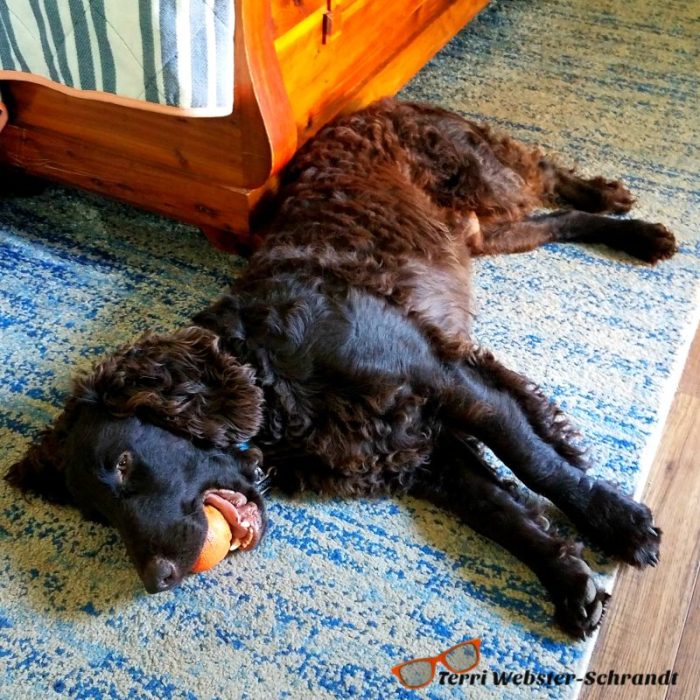
Both Aero and Brodie have their own impressive set of claws. When Aero (on left) was groomed, you could really see his long claws. He hated having them cut back.
Hoofing It
Ungulates are hoofed animals that evolved from the same ancestor. According to AZ Animals, “the term ‘ungulates’ is used to describe animals that have what scientists call digitigrade locomotion, which means walking or running on their toes and having enlarged nails/claws that have formed hooves.”
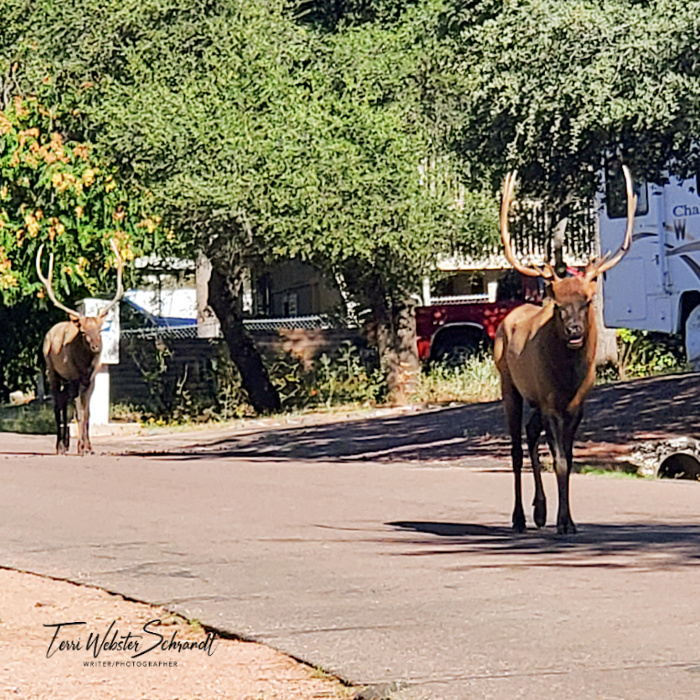
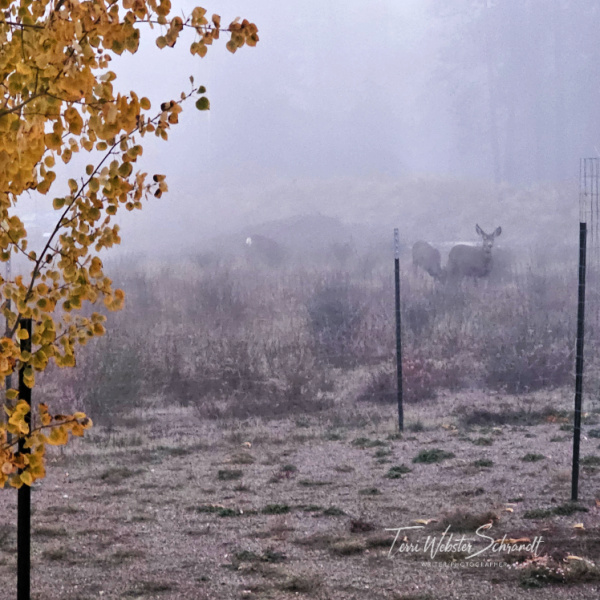
Hooved animals are classified into two subgroups. There are two-toed ungulates (think cloven-hoofed), like deer, goats, pigs, antelope, water buffalo, bison, and domestic cattle!

Most hoofed animals are herbivorous and migratory, but pigs and boars are some exceptions.
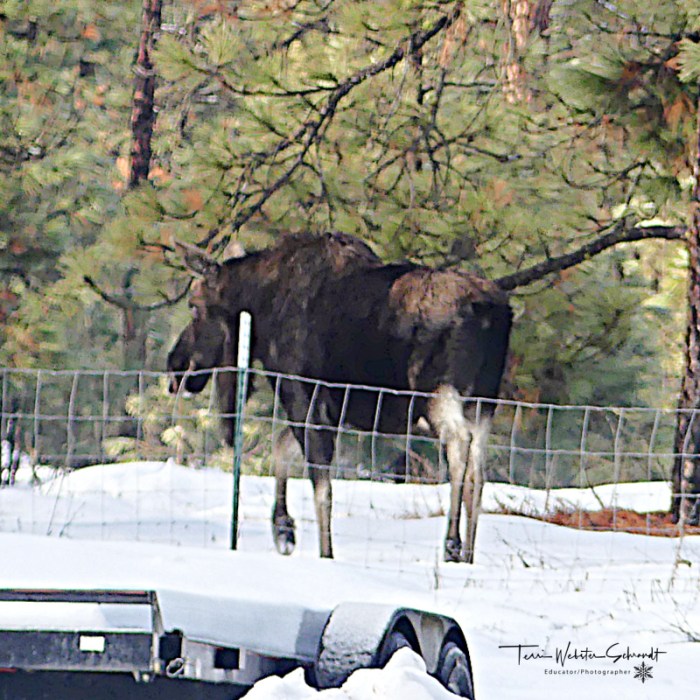
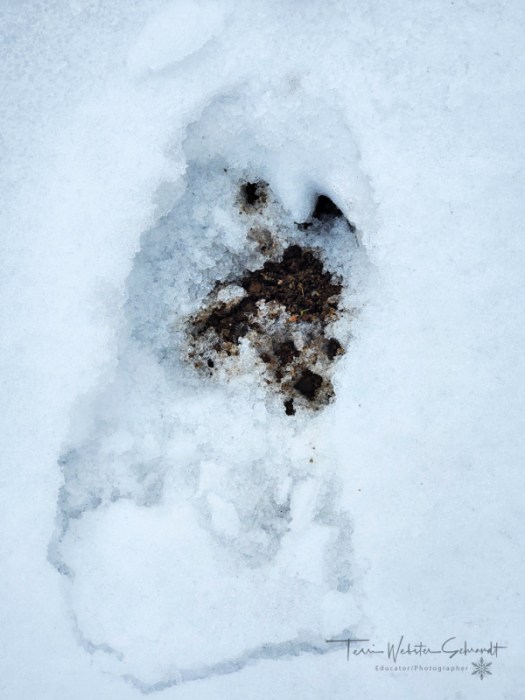
Then there are three- or odd-toed ungulates, with the third toe being the largest. Donkeys, horses, rhinos, and tapirs make up this category.
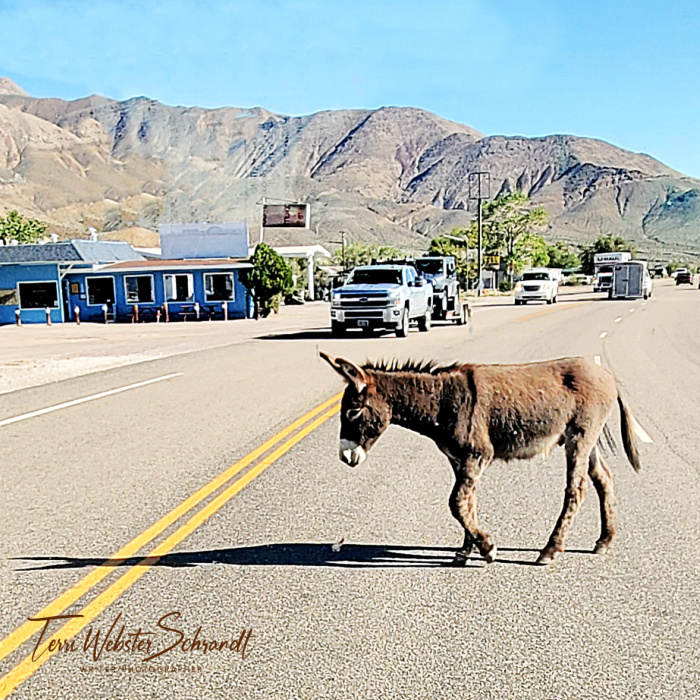

” ‘Horse thunder’ is what I call the sound of galloping hooves.” — John Fusco
What’s the Hubbub About Bison?
Bison are large, herbivorous mammals native to North America and parts of Europe, where they predominantly inhabit grasslands. They live in herds and are characterized by their large, heavy bodies, humped shoulders, small horns, and unpredictable natures. SOURCE
The European Bison or “Wisent” is a European species of bison.
According to an article by Earth Eco Balance, these mighty creatures once roamed freely across the Great Plains of the U.S., with numbers estimated to be between 30 and 60 million in the 1500s. They shaped the land itself, their grazing patterns maintained healthy grasslands, their migrations spread seeds, and their presence supported countless other species that shared the prairies.
Hunting nearly wiped out wild bison herds in the 1800s. By 1902, only 23 bison lived in Yellowstone!
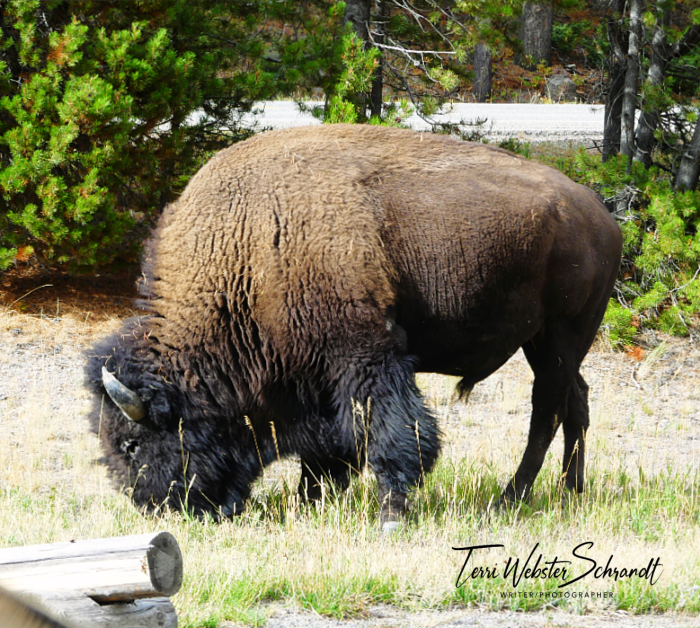
Excessive hunting and land changes drove the decline. Today, bison restoration efforts have increased the population to approximately 500,000 across North America. (Earth Eco Balance)
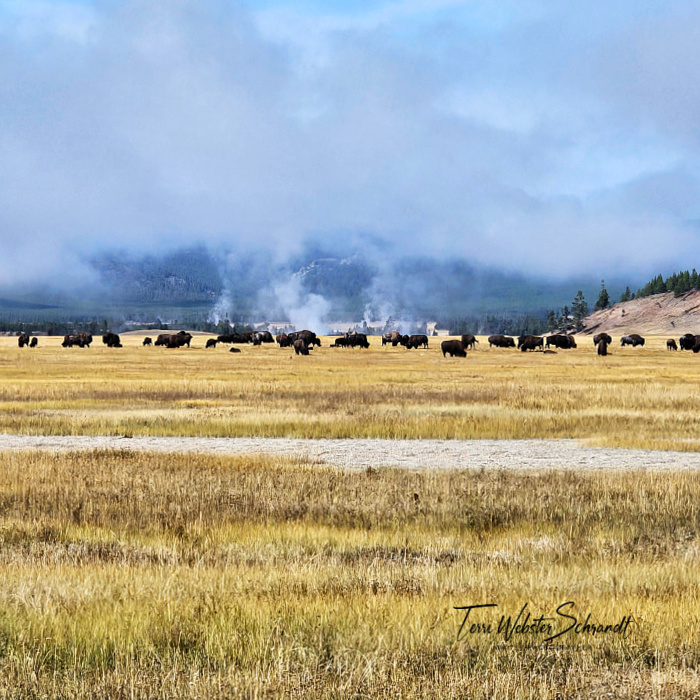
Although commonly called buffalo in North America, bison are not true buffalo at all. True buffalo species include the Asian water buffalo and the African Cape buffalo, which are only distantly related to the American bison.
The misnomer dates back to early European explorers, who referred to the animals as “boeuf” (French for “beef”), which later evolved into the term “buffalo.”
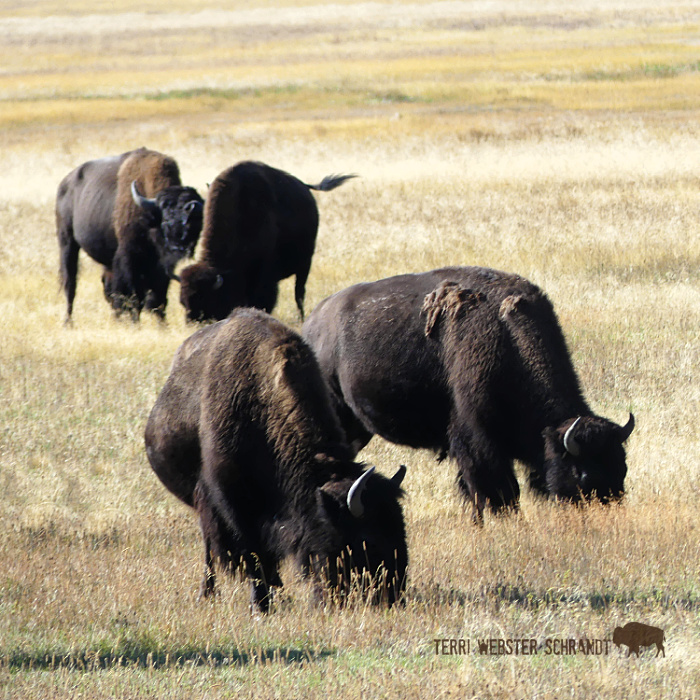
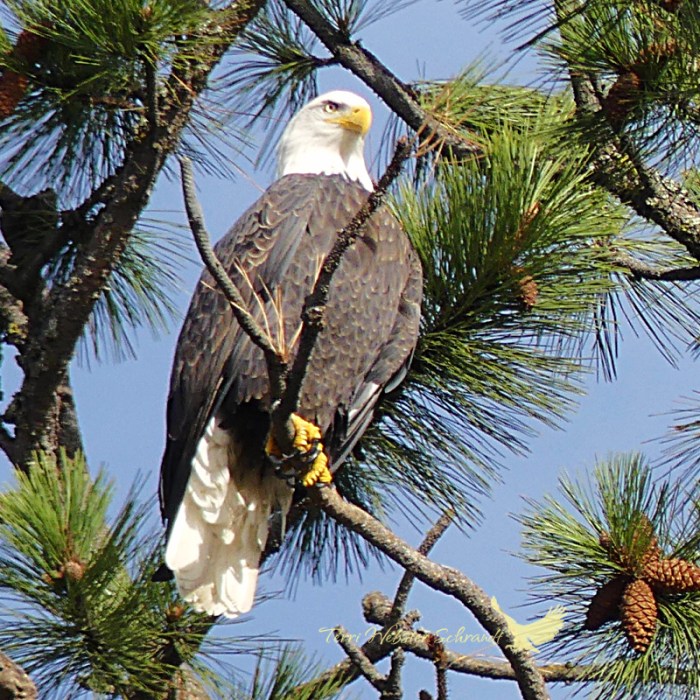
While our clawed friend, the Bald Eagle, is the national symbol of the United States, the American bison was seriously considered for the honor. In 2016, President Obama signed the National Bison Legacy Act, officially designating the American bison as the national mammal of the United States. The bison is also the state mammal of Wyoming, Oklahoma, and Kansas.
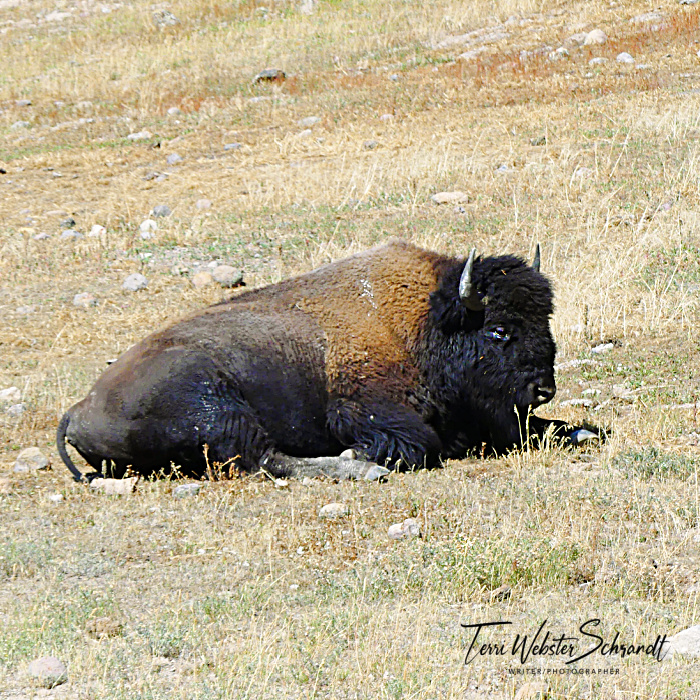
“If there be no place for wild bison in all of Montana, then surely we have crossed a line between the Last Best Place and the the Once Best Place.” – Jim Bailey
Earlier in October, I volunteered at the annual Stonelodge Farms Fall Festival near our home. This year, a petting farm featured a variety of miniature animals, including the miniature Highland cow shown earlier. To my delight, there was also a baby bison!
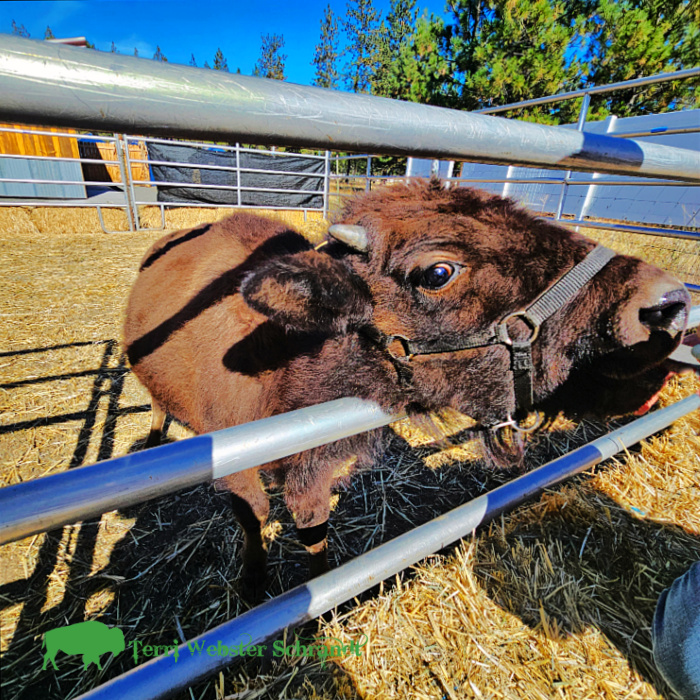
The petting farm’s owner explained that this baby was born as a twin. Bison calves born in the wild can stand and walk within minutes of birth. However, a twin birth is rare; one of the twins may be defective genetically, or the mother may not be able to care for them both and protect them from wild animals. One twin usually dies.
This little guy is a runt and will not grow to more than 700 pounds (317 kg). In comparison, adult bison top out at 2200 pounds (998 kg). He’ll have a good life in the petting farm.
National Bison Day reminds us to honor and protect this powerful animal, whose comeback from near extinction shows the strength of both nature and community effort.
“As the Bison roams the plains, it teaches us that life is a journey, not a race.” ~ Native American Proverb

Sharing for Becky B’s November Shadows, Brian’s Last on the Card (misty deer), and Johnbo’s Cellpic Sunday.
Thank you for being a part of my blogging community since October 31, 2011!


Sunday Stills Photo Challenge Reminders
The Sunday Stills weekly-themed photo challenge is easy to join. You have all week to share and link your post. Please use your own original images, whether new or from your archives.
- Remember to title your blog post a little differently from mine.
- Please create a new post for the theme or link to a recent one.
- Entries for this theme can be posted all week.
- Tag your post “Sunday Stills.”
- Don’t forget to create a pingback to this post so that other participants can read your post.
- I also recommend adding your post’s URL to the comments.
If you are participating in the photo challenge, I look forward to seeing how you interpret this week’s theme! Creativity is encouraged, so please share your own photographs (old or new), poems, original short stories, and music inspired by the theme. Join me next week as we go LEAF PEEPING. Have a wonderful week!
Themes for November are ready to view on my Sunday Stills Photo Challenge Page.
Nov 2 Hooves and Claws
Nov 9 Leaf Peeping
Nov 16 Monthly Color Challenge: Brown and Gray
Nov 23 All Things Bright and Beautiful
Nov 30 Textures
“We are part of the earth and it is part of us. The deer, the horse, the great eagle—these are our brothers.” – Chief Seattle
© 2025 Copyright — secondwindleisure.com — All Rights Reserved
All content on this blog is copyrighted. Please do not repost or reblog without my permission.






What is YOUR perspective? Please include your name if WP identifies you as “anonymous.