
In June, we spent a lot of time at home celebrating the outdoors. July is no different. Summer in the northern hemisphere is the time for vacations, day trips, or extended road trips and discovering new tourist attractions. Two weeks ago, I took you on a tour of Yosemite National Park.

This week, we’ll explore the unique features of several state and local parks. Some are close to home, and many are located in other western states. There is a lot of information in this post; feel free to skim.
Americans love their outdoor recreation opportunities. “Americans go on nearly 11 billion recreation outings each year. The Outdoor Industry Association calls public lands and waterways “the backbone of our outdoor recreation economy.” Source
Public lands are the backdrop of much of that recreation. These lands are categorized into National Parks, State Parks, Local County and City parks. Private and Tribal lands also factor into outdoor spaces for enjoying and exploring.
“Traveling – it leaves you speechless, then turns you into a storyteller.” – Ibn Battuta
United States Federal Government
“The establishment of the National Park Service is justified by considerations of good administration, of the value of natural beauty as a national asset, and of the effectiveness of outdoor life and recreation in the production of good citizenship.” ~ President Theodore Roosevelt, 1912
In the US, federal spending on recreation is channeled through four major land management agencies. The Department of the Interior houses the National Park Service (national parks), the Bureau of Land Management, and the Fish and Wildlife Service. The Forest Service is housed within the Department of Agriculture.
Revenues from US federal lands amount to billions of dollars, including congressional funding, entrance fees, concessionaires, private donations, etc. It’s too complicated to explain everything in this post, but suffice it to say that the US values its federal lands and aims to preserve and conserve them all. I also know that countless other countries invest in their own public lands.

“The gladdest moment in human life, methinks, is a departure into unknown lands.” – Sir Richard Burton
The Columbia River Gorge Scenic Area, home to the majestic Multnomah Falls in Oregon, is operated by the US Forest Service, which is part of the federal government. Parking is free in the off-season months.


What Local Parks Are Found in Your Backyard?
Now that the feds are out of the way let’s talk about State and Local parks. State and local parks are also traditionally operated by government entities. Like national parks, they acquire funds through admission fees, local tax bases, and other sources.
“State parks cover nearly 14 million acres across the United States and receive more than 700 million visits each year—more than twice as many visits as the National Park Service (NPS) but on less than 20 percent of the acreage.” Source
Over 75% of state park operating budgets are generated through general fund dollars and park-generated revenue (user fees, concessions).
Washington’s State Parks
When we moved from California to the Spokane area of the state of Washington, little did I know the breadth and variety of incredible tourist attractions found within its public lands.
I’ve been blessed to visit several Washington State Park attractions. There is something very special about discovering these off-the-beaten-path gems in your own backyard.
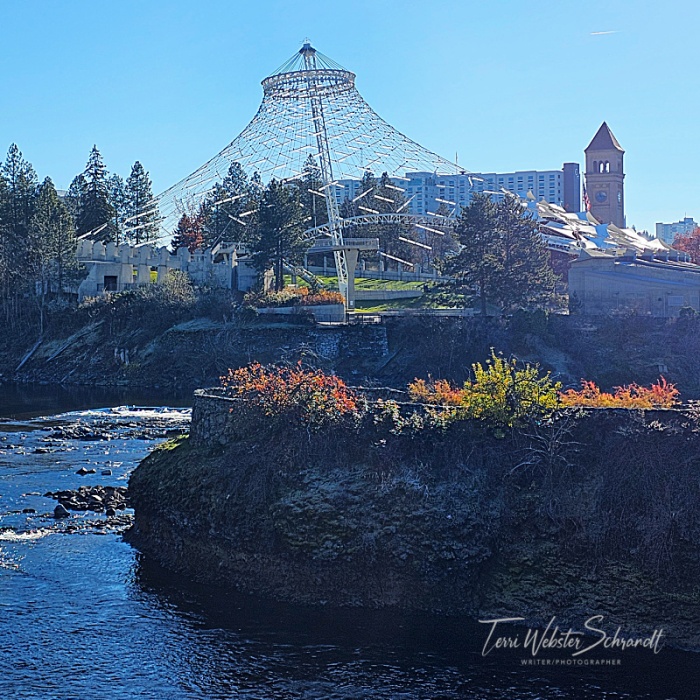
The Centennial Trail is a feature of the State of Washington’s Riverside State Park and is partially funded by state parking passes (at a whopping $30/year or $10/one-day pass), fishing and hunting licenses, and the Riverside State Park Foundation. The Washington Department of Fish and Wildlife (WDFW) generates over a billion dollars in revenues.

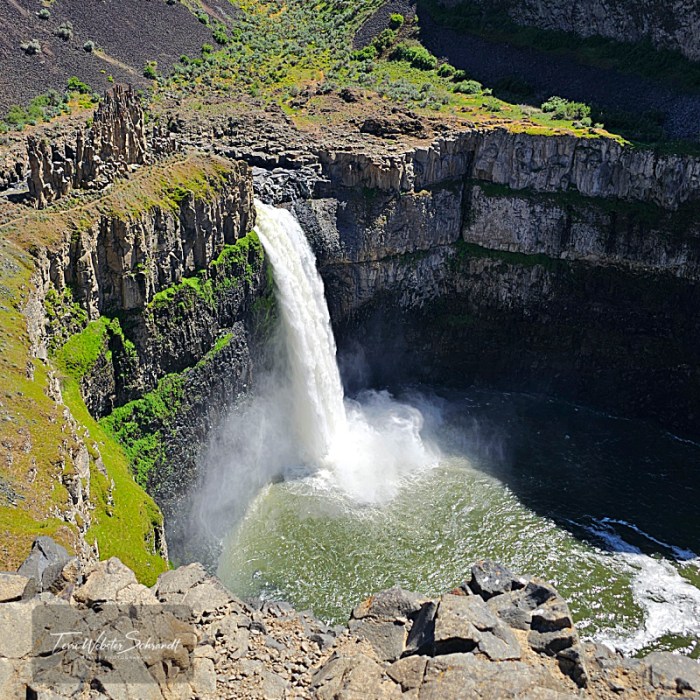
At the local level, for example, cities in local jurisdictions fund their municipal operations through the collection of property and sales taxes, user fees, grants, and corporate partnerships.
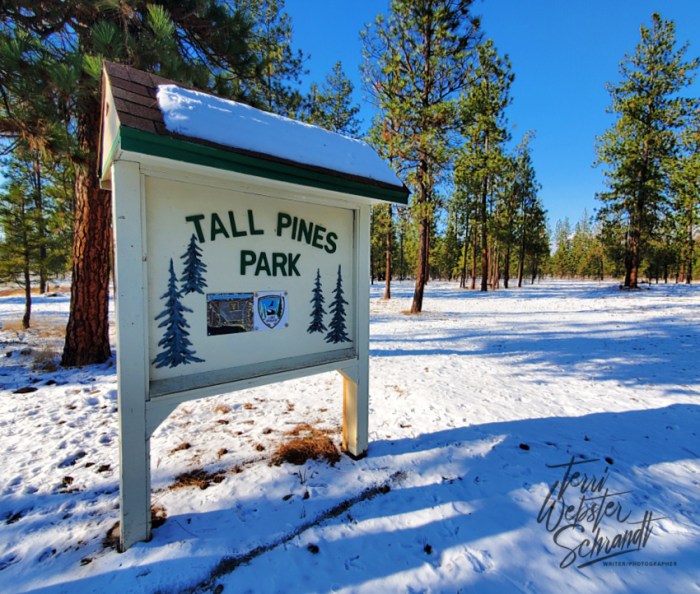
A “local” blogger friend, Susanne, who lives in the Western part of the state, showcases her visits to many areas of our fair state. Here is an example of her recent visit.
California’s Diverse Local Attractions
Non-profit foundations like “Friends of XX Park” also factor into the funding and manpower through volunteer efforts.
One example I’m familiar with is the Delta Conservancy, a California State agency, which involves mobilizing volunteers for area clean-ups along the Sacramento-San Joaquin Delta’s fragile levees shores to help maintain outdoor recreational opportunities that include boating, fishing, and wind sports.
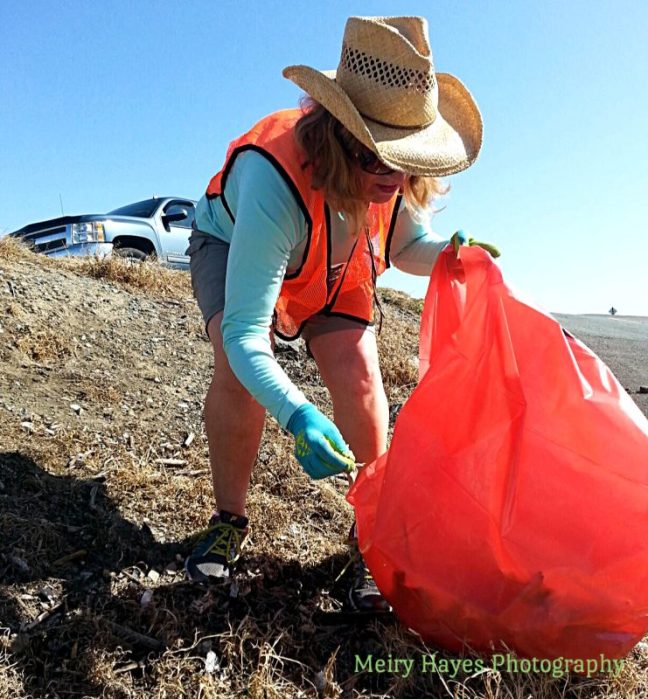
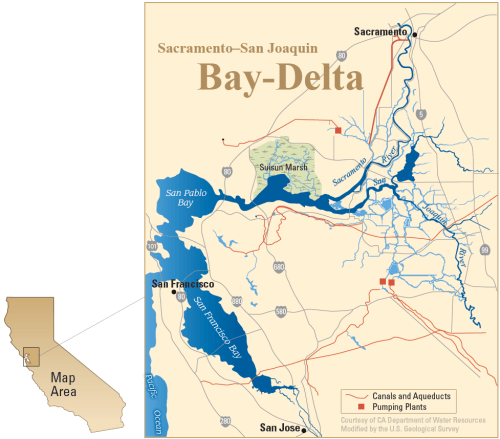
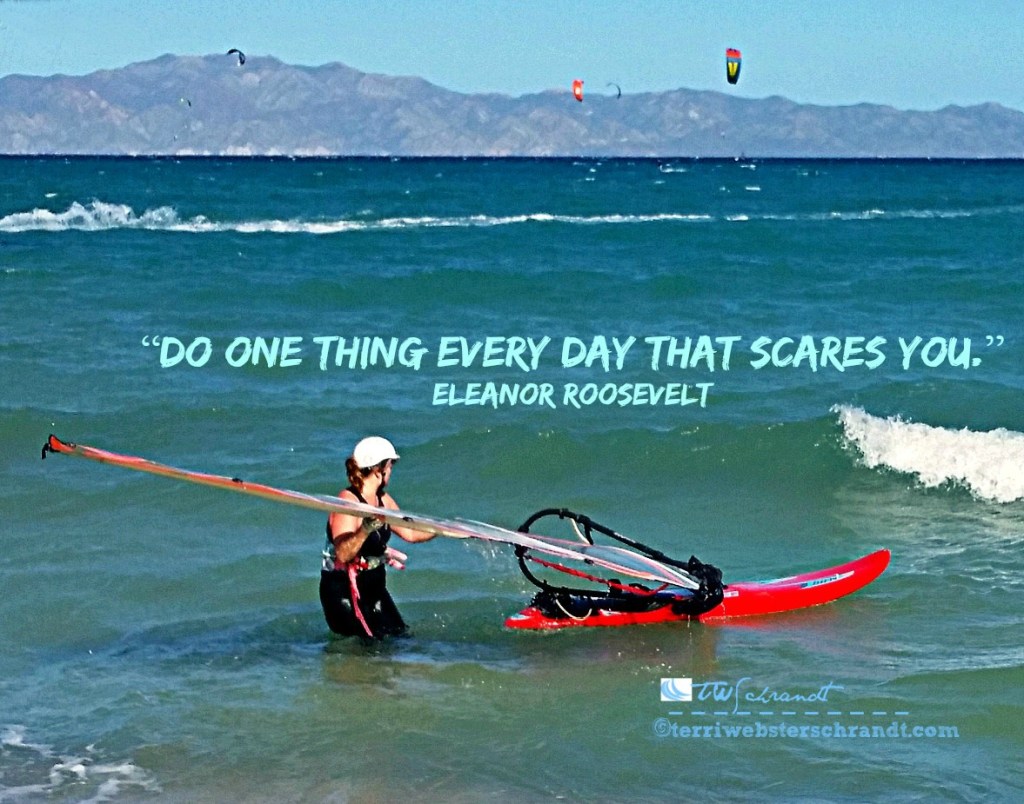
We spent countless weekends enjoying the delta’s shores and waterways for over ten years. The cooling summer delta breeze is well-known in the Sacramento area, and this humble region attracts professional and amateur wind sports enthusiasts from all over the world.

The American River Bike Trail, spanning 32 miles, is an example of a county-funded park/trail system in Sacramento, California.
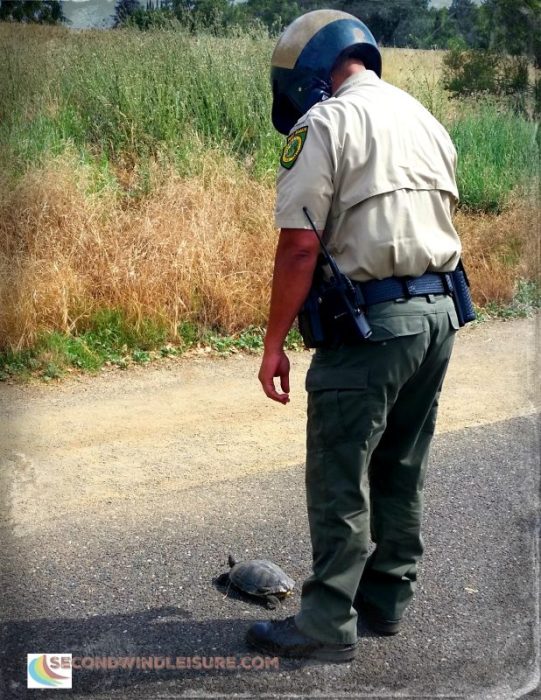
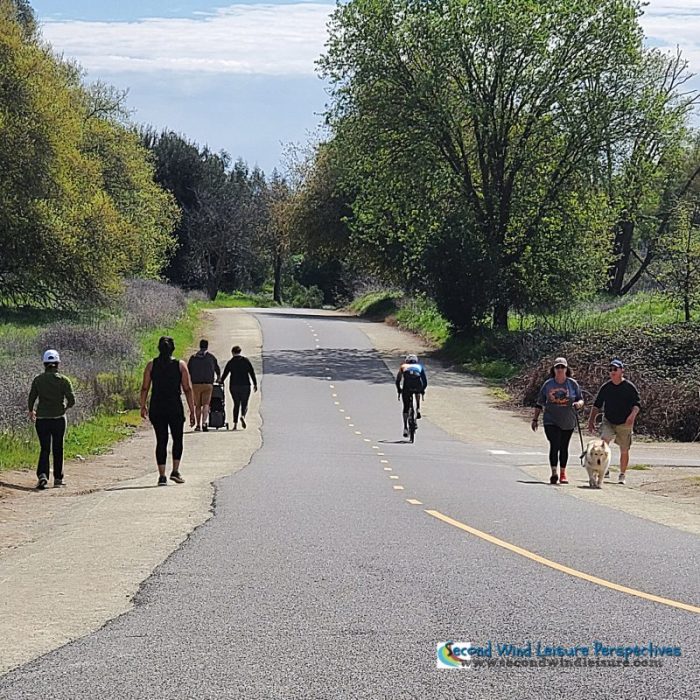
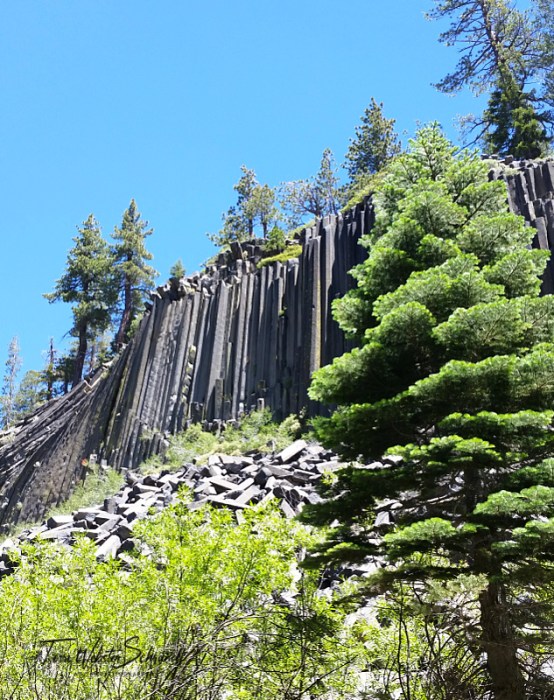
The attractions of Mammoth Lakes, California, located in the Eastern Sierra Nevadas, are an example of the areas managed in cooperation with the U.S. Forest Service and operated with partners from the National Park Service, the Town of Mammoth Lakes, and the Eastern Sierra Interpretive Association.
Popular tourist stops include the Devil’s Postpile and Mammoth’s twelve scenic lakes.
“Oh, the places you’ll go!” – Dr Seuss
The States of Nevada and Arizona
Over the years, I have been blessed with many opportunities to visit other state tourist attractions.
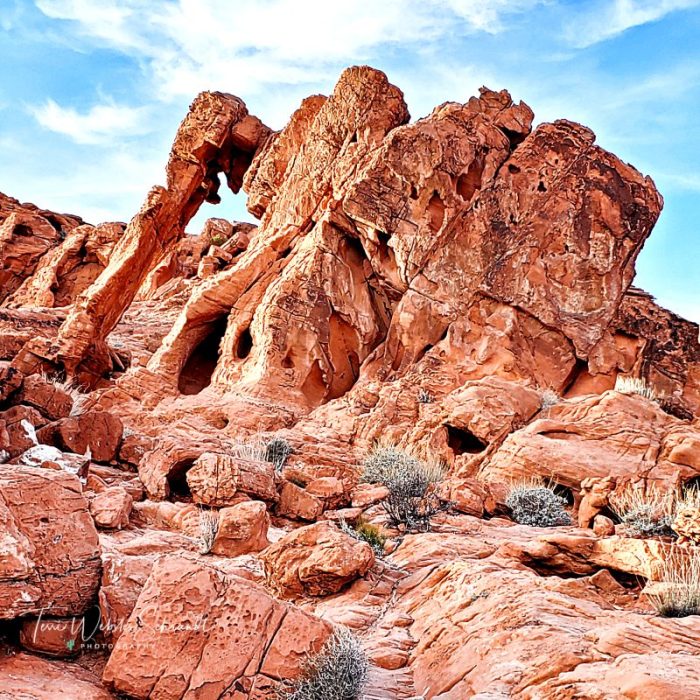
The Valley of Fire State Park in Nevada boasts 40,000 acres of red rocks and limestone, which can be hiked and driven through to explore its desert beauty. The $10 entry fee is worth every penny.
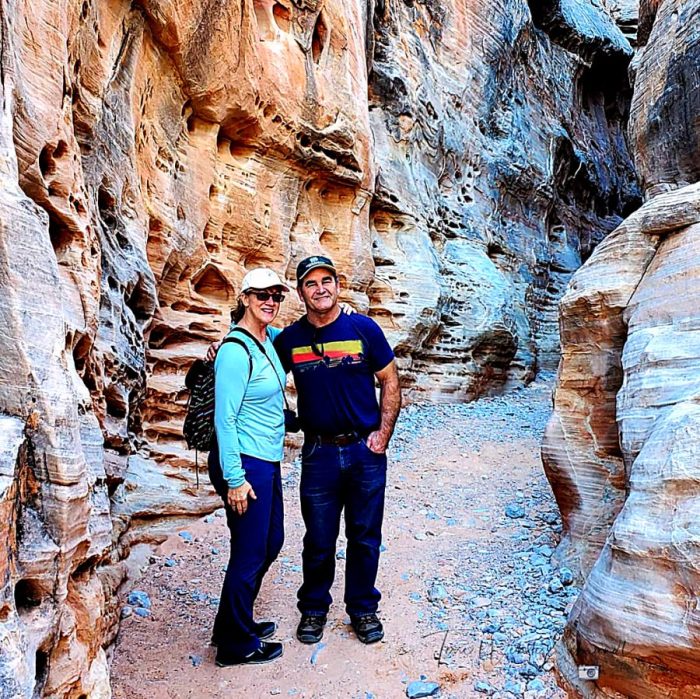
Antelope Canyon in Page, Arizona, is a recreation area under the jurisdiction of the Navajo Nation Reservation and is considered Tribal private land. Various concessionaires operate the tours and charge various fees for entry and guided tours. These fees fund the tour guides and seasonal maintenance.
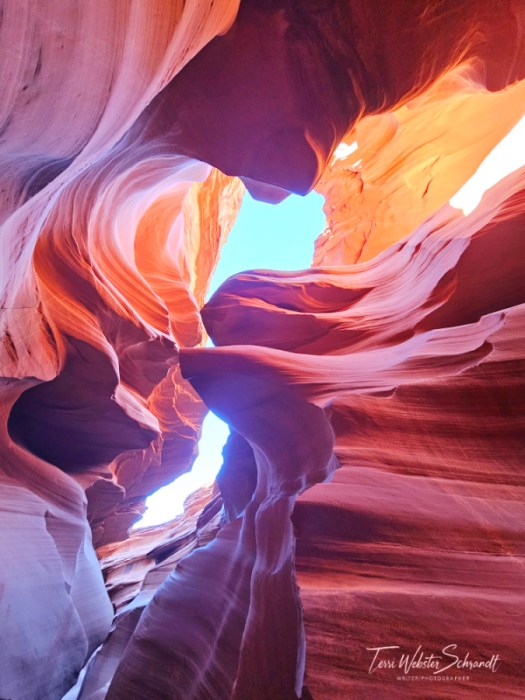
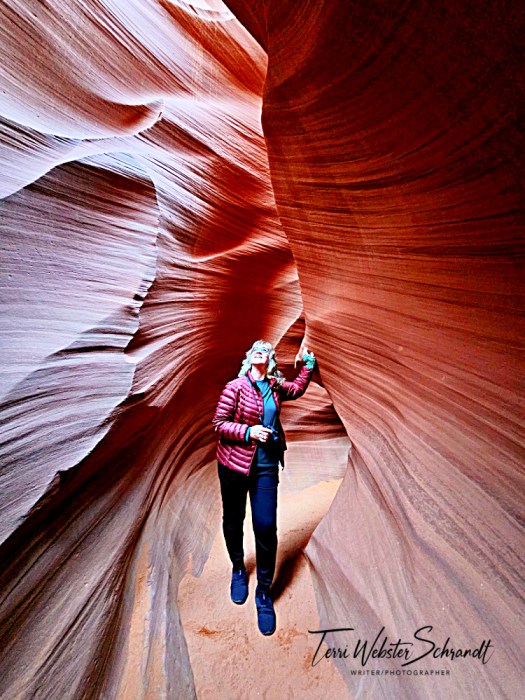
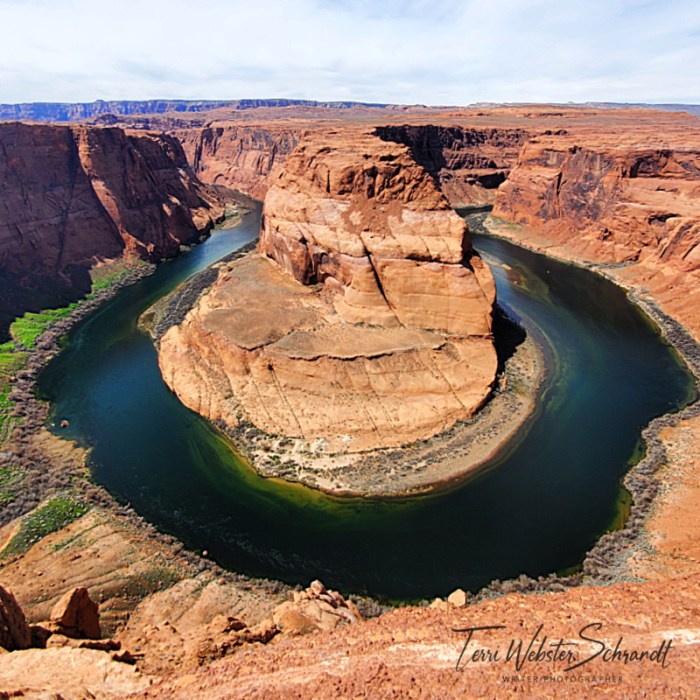
Horseshoe Bend in Page, Arizona, located just a few miles away, is a blend of jurisdictions, including Glen Canyon National Recreation Area, Grand Canyon NP, the Cities of Page, AZ & Kanab, Utah, and the Navajo Nation. The City of Page manages $10 parking fees.
Be a tourist in your own community by exploring what tourist attractions lie in your own “backyard.”

Sunday Stills Photo Challenge Reminders
The Sunday Stills weekly-themed photo challenge is easy to join. You have all week to share and link your post. Please use your own original images, whether new or from your archives.
- Remember to title your blog post a little differently than mine.
- Please create a new post for the theme or link a recent one.
- Entries for this theme can be posted all week.
- Tag your post “Sunday Stills.”
- Don’t forget to create a pingback to this post so that other participants can read your post.
- I also recommend adding your post’s URL to the comments.
Sharing this week for Johnbo’s Cellpic Sunday and Lens-Artists: Tourist Attractions.
As a US citizen, what are your favorite state and local parks? What are your favorite local places and spaces for those of you who live outside the US?
This week, we celebrate my dad’s 88th birthday. He loved to travel in his younger days and is still always ready to go!

I can’t wait to see how you interpret this week’s theme! Creativity is encouraged, so please share your own photographs (old or new), poems, original short stories, and music inspired by the theme. Join me next week as we explore the theme “wings.”
© 2024 Copyright — secondwindleisure.com — All Rights Reserved








 Second Wind Leisure Perspectives
Leave a reply to Easin’ Along Cancel reply